
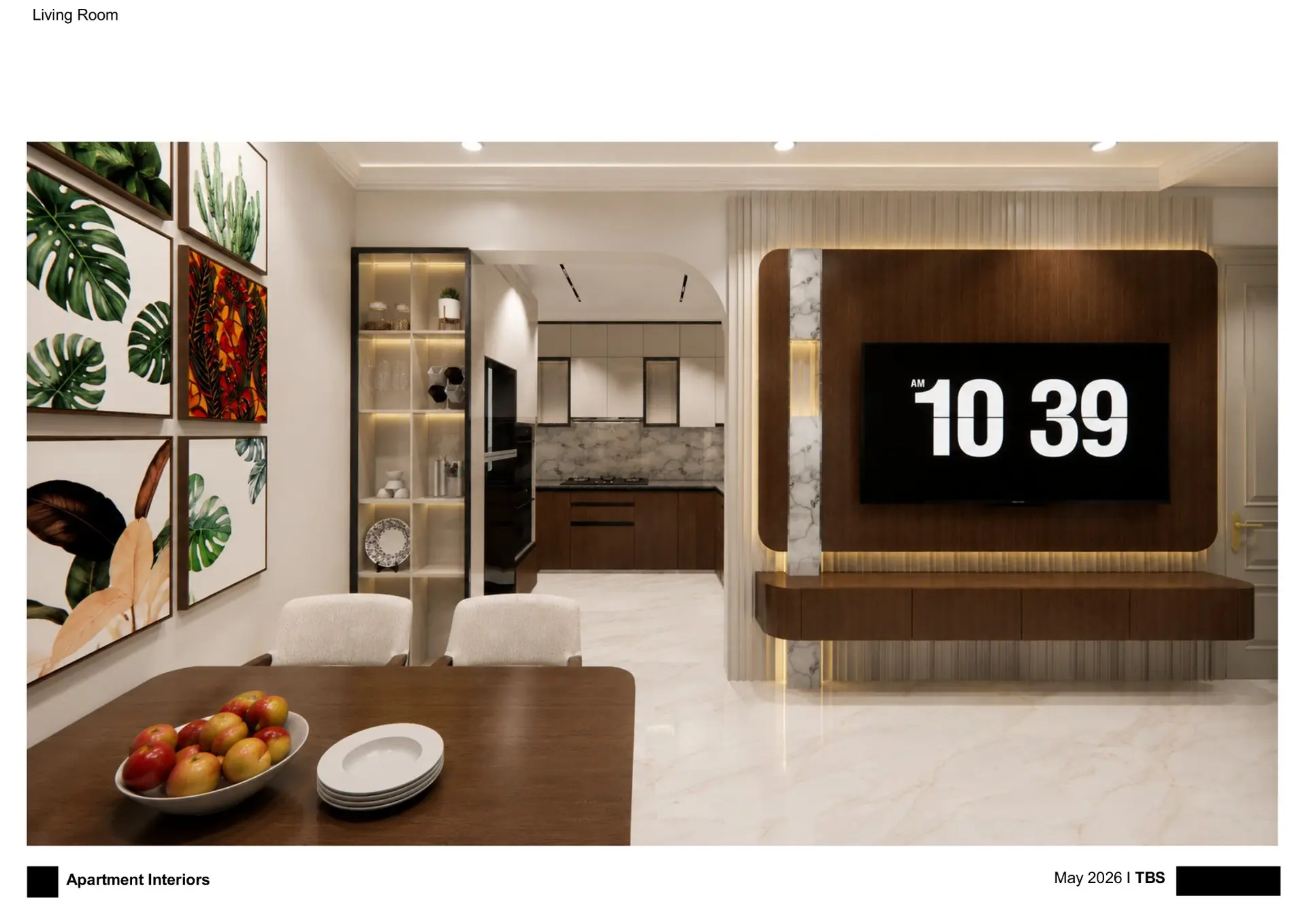
Natural light and ventilation influence how a home feels throughout the day. They affect where you prefer to sit, how comfortable a room feels with its windows open and how often you rely on artificial lighting. Yet these qualities are easy to overlook during a short visit, particularly when a home is presented with every light switched on and attractive curtains around the windows.
When comparing homes in Chhattarpur or another location, assess the actual unit rather than relying on general statements about a building. Different floors, orientations and neighbouring structures can create different conditions within the same project. This guide offers a practical way to observe daylight and airflow, record what you see and ask useful questions before choosing your next home.
Distinguish brightness from direct sunlight
A room can feel bright without receiving strong direct sunlight. Daylight may enter indirectly or reflect from surrounding surfaces. Direct sunlight has a different effect: it can brighten a particular part of the room at certain times while also creating glare or warmth. Neither a sunny photograph nor a shaded viewing tells the complete story of how the space behaves.
Ask when each room usually receives direct sun, then compare that information with your own routine. Someone who works from home may care about glare near a desk. Another person may value a comfortable reading spot or a bedroom that remains more shaded during part of the day. The useful choice depends on your preferences and the exact property conditions.
Check the surroundings outside every window
Stand near each window and look beyond the interior. Notice neighbouring walls, balconies, trees, boundary structures and the distance to other buildings. These surroundings influence both the available light and the sense of privacy. A large opening may not provide the experience you expect if the outlook is closely enclosed or if curtains will need to remain shut most of the time.
Also ask whether the visible surroundings are likely to change. Do not assume that an open plot will remain open or that a current view is protected. Where future development matters to your decision, seek appropriate information rather than relying on informal assurances. Evaluate whether the room would still suit you if its outlook became less open.
Visit at more than one time when possible
A second visit can reveal details that were unclear during the first appointment. Morning and afternoon conditions may differ, and weather also changes the amount of available light. Record the time and conditions of each visit so you do not accidentally compare one home on a bright day with another during an overcast evening.
You do not need to turn the visit into a technical survey. Simply spend a few minutes in each main room, with unnecessary lights off where practical. Notice the back of the room as well as the area beside the window. Ask yourself whether the space would be comfortable for the activities you expect to do there regularly.
Understand what creates usable airflow
Ventilation is about the movement and exchange of air, not just the presence of windows. Openings on different sides may support airflow, but the result also depends on wind, surrounding buildings, internal doors and the way the home is arranged. A description such as cross-ventilated should lead to a practical inspection of the actual unit.
With permission, open accessible windows and observe how the rooms feel. Check whether doors need to remain open for air to move and whether that arrangement suits your privacy needs. One visit cannot establish performance in every season, but it can help you identify obvious restrictions and prepare better questions about the intended ventilation arrangements.
Pay special attention to kitchens and bathrooms
These spaces need their own assessment. Check for windows, exhaust provisions and the proposed route for extracted air. Ask whether the relevant equipment is included, installed and working. A decorative opening or a visible grille does not by itself establish that the complete system is operational or suitable for the space.
Look at whether access is available for cleaning and maintenance. If you notice persistent odours, damp areas or staining, record them and ask for an explanation. Do not assume the cause from appearance alone. Where a concern remains, arrange an inspection by a qualified person before relying on a verbal statement that a coat of paint will resolve it.
Balance openness with privacy and noise
A window only helps everyday comfort if you can use it in a way that suits you. Consider the view into the home from neighbouring buildings or common passages. Ask whether your preferred furniture position would leave a bedroom or sitting area exposed. Privacy needs may influence how often blinds or curtains stay closed and how much daylight you actually enjoy.
Listen with windows open and closed. Street activity, nearby equipment and neighbouring use can change the experience of a room. Think about when you will sleep, work or relax there. The goal is not to find a home with no surrounding activity, but to understand the trade-offs and decide whether they match your household’s expectations.
Plan furniture and window treatments together
Tall wardrobes, deep curtains and large furniture can block light or make openings difficult to reach. Before choosing a home, sketch where your major pieces would go. Keep access to window handles and balcony doors in mind. A layout that looks open when empty may behave differently once your furniture and storage are in place.
Choose future window treatments according to use rather than appearance alone. You may want flexible control over privacy and glare in one room and a different arrangement in another. Discuss any restrictions affecting external shades or changes to windows before making plans. Alterations to building elements should be considered with the appropriate permissions and professional guidance.
Review balconies as part of the indoor experience
A balcony can create a pleasant connection to the outdoors, but its dimensions, covering and position also affect the room behind it. Stand inside and observe how the balcony relates to the window or door. Check whether a deep overhang creates shade and whether neighbouring balconies affect privacy. These are unit-specific details worth seeing yourself.
Consider how you intend to use the balcony. Seating, plants and drying arrangements require practical space and should not obstruct access or drainage. Ask about applicable building rules and maintenance responsibilities. A carefully styled image can suggest possibilities, but your decision should rest on the actual usable area and the arrangements confirmed for your home.
Make a simple room-by-room record
Create a short table in your notes for the living space, each bedroom, kitchen and bathrooms. Record the window position, surrounding outlook, observed daylight, opening operation and questions about ventilation. Add the visit time and any conditions that affected your observations. Photographs taken with permission can help you recall details, but remember that camera exposure can make rooms appear brighter.
Use the same record for every shortlisted home. This turns a vague impression into a clearer comparison and highlights where a follow-up visit would be useful. It also helps family members explain different preferences. One person may prioritise an open outlook while another values privacy or lower glare in a room used throughout the working day.
Viewing Nirvana with these priorities in mind
If Nirvana by Oculis Developers is on your shortlist, request a visit to the relevant 3 BHK unit on Chandan Hola Main Road, Chhattarpur. Ask about its window arrangement, exact floor and current interior specifications. Compare the supplied images with the unit you can inspect rather than assuming every home has the same outlook.
Bring your room-by-room checklist and discuss any priorities before the visit. Contact the Oculis Developers team for availability and a suitable viewing time. The most useful outcome is a clear understanding of how the home fits your routine, supported by observations and answers specific to the property.
Frequently asked questions
Can photographs show how bright a home really is?
They can help you understand window locations and layout, but camera settings and artificial lighting influence brightness. Use photographs to prepare questions and verify your expectations during a visit whenever possible.
Does every room need the same amount of sunlight?
Preferences differ according to use, privacy and daily routine. Assess each room individually rather than applying one rule to the entire home. For technical performance concerns, seek advice from an appropriate building professional.