
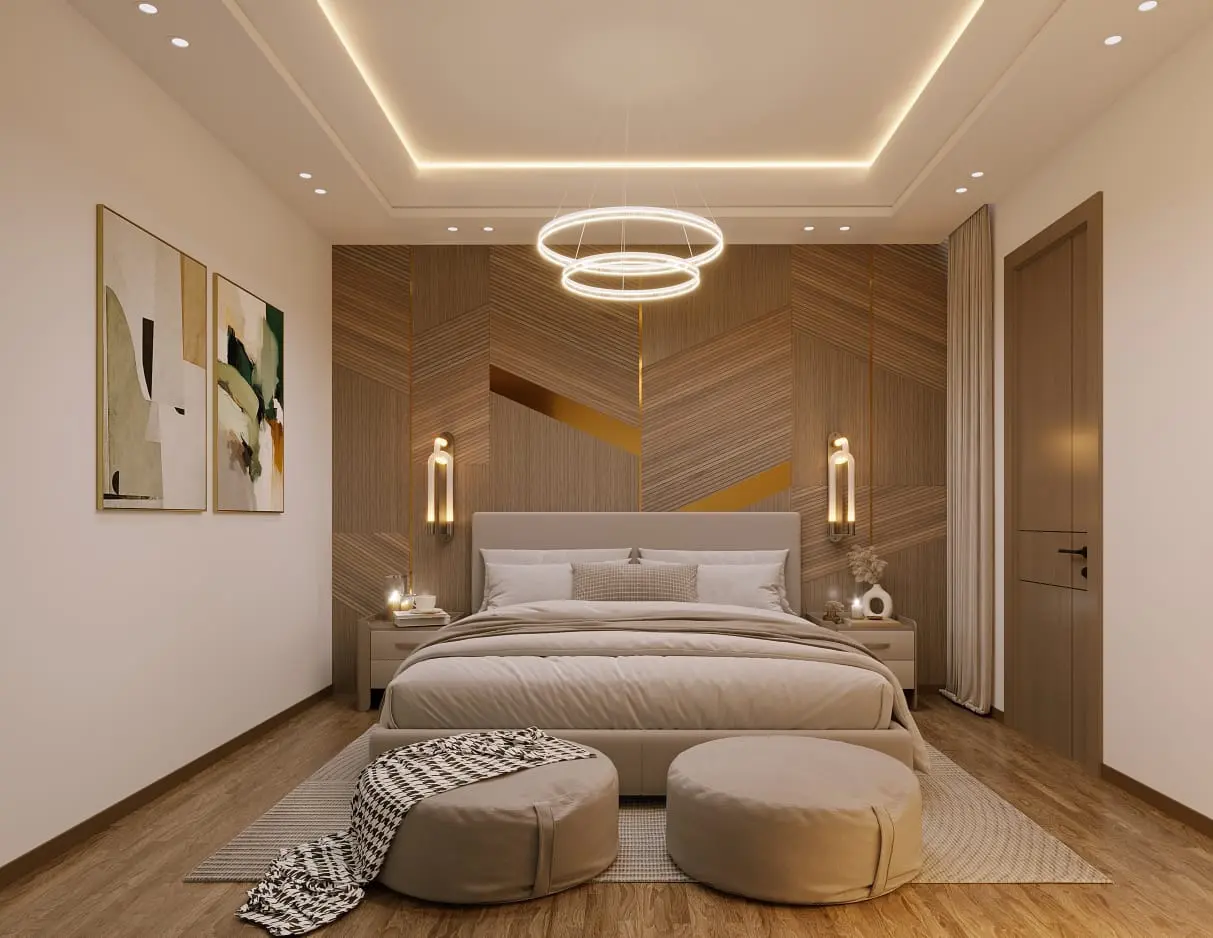
Choosing between a 3 BHK and a 2 BHK is about more than adding one bedroom. It is a decision about how you want to live, how much flexibility you need and what level of ongoing commitment feels comfortable. A well-planned 2 BHK may be a strong fit for one household, while another may make daily use of the extra space in a 3 BHK.
The right answer begins with your circumstances rather than a general rule about family size or property value. Compare usable space, room proportions, location and the full cost of ownership alongside the number of bedrooms. This guide helps you work through those factors and build a shortlist that reflects both your present routine and realistic future plans.
Begin with the people who will use the home
List the people who will live in the home regularly and consider their different needs. Sleeping schedules, work routines, study time and privacy can matter as much as the total number of occupants. A household with overlapping activities may value an additional separate room even if it does not require another permanent bedroom.
Include frequent visitors in the discussion, but distinguish occasional convenience from a daily requirement. If relatives stay for extended periods, a separate room may be genuinely useful. If overnight visitors are rare, a flexible arrangement within a smaller home might be sufficient. Base the decision on patterns you recognise rather than an idealised picture of how often every room will be used.
Compare usable layouts before bedroom counts
Not all homes with the same bedroom count provide the same experience. Look at the size and shape of each room, the amount of passage space and the relationship between the living area, kitchen and bedrooms. A compact third bedroom may offer less flexibility than expected if it cannot accommodate the furniture needed for its intended use.
Ask for dimensioned plans and test them with your actual furniture. Check whether wardrobes can open, beds can be accessed comfortably and dining chairs leave a clear route when occupied. A 2 BHK with balanced room proportions may feel more convenient than a poorly arranged 3 BHK. Equally, a well-designed 3 BHK can provide valuable separation without making the home difficult to maintain.
Think about how separate activities overlap
Consider an ordinary weekday evening. Someone may be cooking while another person takes a call and a child studies or rests. Think about whether these activities would compete for the same space. An additional room can be useful when it allows different routines to coexist without repeatedly rearranging furniture or interrupting one another.
However, avoid treating every imagined activity as a reason to buy more space. Make a list of uses that happen regularly and identify where they would take place in each shortlisted home. This practical exercise often clarifies whether the third bedroom solves a real problem or simply sounds appealing during the property search.
Assess privacy and comfort for visitors
Hosting is not only about having an extra bed. Look at bathroom access, bedroom door positions and the distance between private and shared spaces. A separate room may improve comfort for longer stays, but its location within the home matters. Guests should not need to disturb another bedroom to reach essential facilities where a more suitable arrangement is available.
Also consider how the home functions when no visitors are present. Can the additional room serve a useful role without becoming a permanent storage area? A clear plan for everyday use helps you judge the value of the space. It is reasonable to prioritise occasional hosting, but understand the ongoing cost of maintaining a room mainly for that purpose.
Review the full financial commitment
Compare written cost information for actual shortlisted properties rather than assuming a fixed difference between 2 BHK and 3 BHK homes. Purchase prices vary with location, floor, size, condition and included specifications. Ask for a clear breakdown of the amounts relevant to each property and identify which items are included, optional or payable separately.
Think beyond the initial purchase. Furnishing, curtains, cleaning, maintenance arrangements and utility use may change with the home you choose. Financing decisions should reflect your own circumstances and professional advice where needed. A larger property is not automatically the better choice if it leaves too little room for regular household spending or important future commitments.
Consider upkeep honestly
More space can mean more flexibility, but it also means additional surfaces, storage and rooms to look after. Think about how often you clean, how much furniture you prefer and whether you are comfortable maintaining a larger home. The right amount of space should support your routine rather than create tasks you would struggle to manage.
A smaller home can be easier to organise when its storage is well planned. A larger home can be equally manageable if its layout is efficient and belongings are kept thoughtfully. Compare the actual maintenance needs of each property, including shared building responsibilities, instead of assuming that bedroom count alone determines the work involved.
Keep location central to the comparison
It can be tempting to accept a less suitable location simply to gain another room. Before doing so, assess the effect on journeys, everyday shopping and access to the places your household uses. Try relevant routes yourself where possible. The value of additional space can feel different if it changes your daily routine in ways you find inconvenient.
Compare exact addresses rather than broad neighbourhood labels. Approach roads, surrounding activity and the final part of a commute can vary within the same area. For homes in Chhattarpur, inspect the specific building and its surroundings. Avoid treating advertised proximity to a destination as a substitute for understanding the actual journey from the property.
Plan for change without relying on guesses
A home may need to accommodate changes over time, but future planning works best when it is grounded in likely circumstances. Consider whether your household expects longer family visits, different work arrangements or changing privacy needs. An additional room can offer flexibility when those possibilities are relevant to your situation.
At the same time, avoid overstretching for a future that remains highly uncertain. Write down which changes are probable, which are possible and which are simply preferences. This helps you assess the value of flexibility without assuming that the largest available home must always be the most sensible long-term option.
Use a balanced comparison sheet
For each property, record usable room sizes, storage, privacy, daylight, location and total expected commitment. Add a short note explaining how each bedroom would be used. Include unresolved questions so that attractive presentation does not hide missing information. Discuss the sheet with everyone who will regularly use the home.
You can then identify trade-offs clearly. One property may offer better daily access but less flexible space; another may provide an additional room with a different upkeep requirement. There is no universal scoring system that can replace your judgement, but comparing the same factors makes the decision more consistent and easier to explain.
Exploring a 3 BHK at Nirvana
If a 3 BHK matches your needs, consider reviewing the available options at Nirvana by Oculis Developers on Chandan Hola Main Road, Chhattarpur. Ask for the current unit layout, included specifications and availability. Confirm the latest project position directly with the team rather than relying on an older advertisement or previous construction update.
Bring your comparison sheet to the visit and test the home against the way your family actually lives. Arrange a guided viewing to discuss the spaces, ask questions and understand the available unit. The best choice is a home whose layout, location and overall commitment work together for your household.
Frequently asked questions
Is a 3 BHK necessary for every family?
No. Household routines, privacy needs and usable layout matter more than a fixed rule. A well-planned 2 BHK can suit some families, while others benefit from the separation and flexibility of a third bedroom.
Does an extra bedroom guarantee better resale value?
No guarantee follows from bedroom count alone. Future demand depends on many property-specific and market factors. Choose primarily around a well-informed assessment of the actual home and your needs, rather than a promised financial outcome.