
A first property visit can feel surprisingly fast. You see the building, walk through a few rooms and hear a description of the main features. By the time you leave, it is easy to remember the attractive finishes while forgetting to ask about daily access, storage or the exact unit available. A structured property site visit checklist helps you use that time well.
The aim is not to make a final decision during one appointment. It is to collect comparable information, identify unanswered questions and decide whether the property deserves a closer review. Bring a phone, a notebook, a measuring tape and the dimensions of any furniture you intend to keep. Ask permission before taking photographs or recording the walkthrough.
1. Confirm the building and unit you are visiting
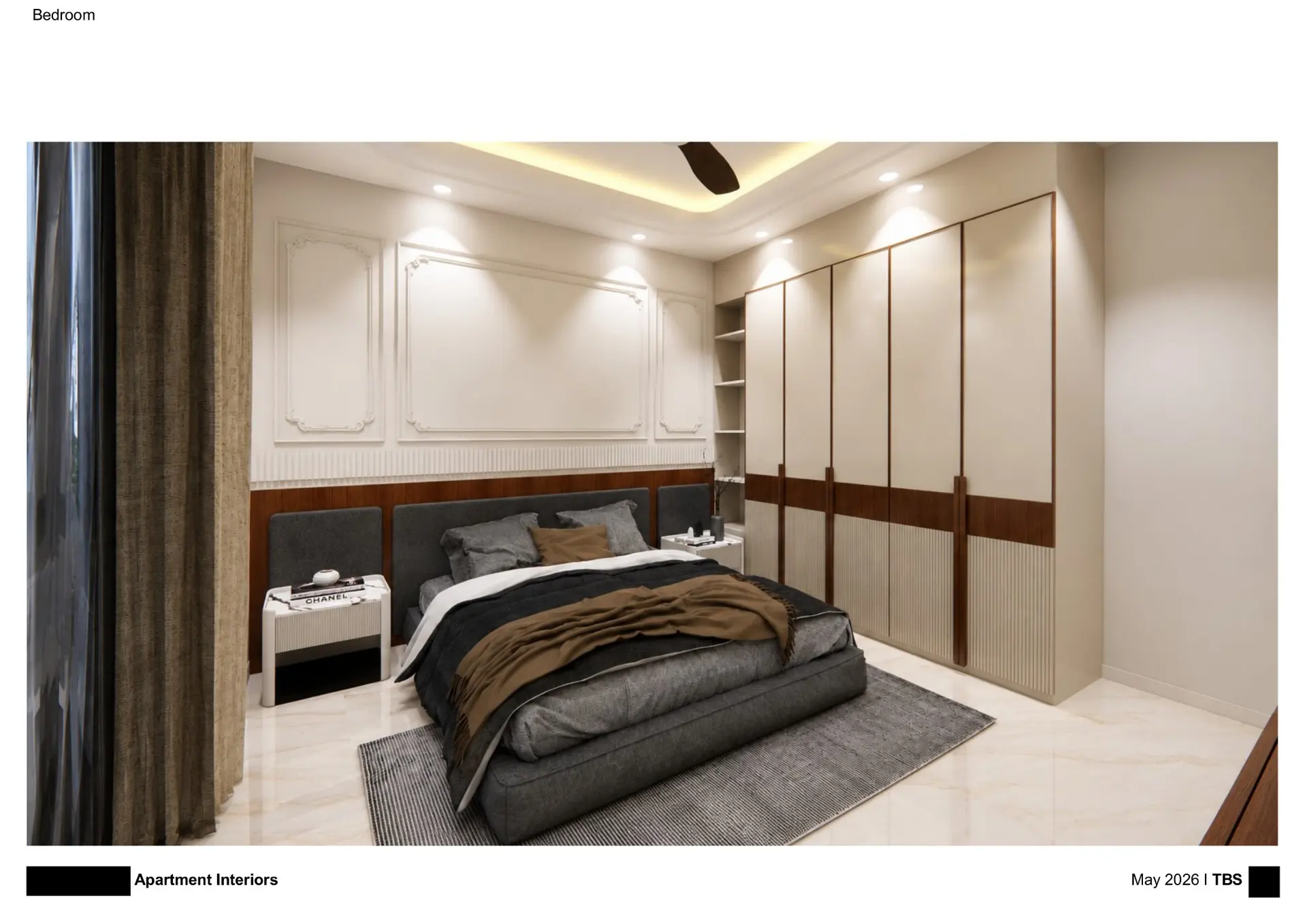
Before the appointment, confirm the project name, address, floor and unit. Ask whether you will see the actual available home, a sample interior or a unit at a different construction stage. Photographs and sample homes can help explain a design, but they should not be treated as a complete description of another unit. Record exactly what you have inspected.
2. Experience the approach road yourself
Observe the final stretch of the journey, including turns, road width and access at the building entrance. Think about delivery vehicles, visitors and your own parking routine. If the location will be part of a regular commute, try the journey at a relevant time on another day. One convenient afternoon visit does not establish how every weekday journey will feel.
3. Walk through the building entrance
Look at the route from the street or parking area to the home. Notice lighting, changes in level, stair access and any shared circulation spaces. Consider who will use this route, including older relatives and visitors carrying luggage. Ask how common areas are maintained and which arrangements are already operational, rather than assuming that every displayed feature is available immediately.
4. Check daylight without relying on decorative lighting
Where possible, inspect rooms with unnecessary lights switched off. Notice which areas receive daylight and whether a nearby structure blocks windows. A bright photograph may have been taken under different lighting conditions. Record the visit time and weather so you can interpret what you saw. Return at another time if natural light is an important part of your decision.
5. Open windows and assess the outlook
With permission, check how windows operate and where they open. Look for usable openings, privacy from neighbouring buildings and practical access for cleaning. Consider outdoor noise with windows both open and closed. Airflow depends on the arrangement of openings and surrounding conditions; a window count alone does not tell you how the home will feel during normal use.
6. Measure rooms against your furniture
Measure the clear space where beds, wardrobes and seating would go. Check door swings and leave a comfortable route through each room. Ask for a dimensioned plan to compare with your observations. If finishing work is ongoing, confirm whether the dimensions refer to the current structure or the finished room. Small differences can matter when fitting existing furniture.
7. Test the kitchen’s everyday arrangement
Imagine unpacking groceries and preparing a meal. Identify the refrigerator space, work surface, sink, cooking area and appliance connections. Open accessible cabinets and drawers to check their operation. Ask which fittings are included in the purchase and which are demonstration items. Confirm the intended exhaust arrangement and whether you will need additional cabinetry or appliances before moving in.
8. Inspect bathrooms carefully
Look at visible joints, seals, tile alignment and the area around plumbing fixtures. Ask whether water supply is active and whether permitted functional checks can be demonstrated. Record any visible damp patches or unfinished areas without attempting to diagnose their cause yourself. A qualified inspector can help assess concerns that require technical knowledge or checks beyond a normal buyer walkthrough.
9. Check doors, windows and visible finishes
Operate accessible handles, locks and sliding panels gently. Notice uneven gaps, damaged edges or surfaces that need attention. Distinguish between incomplete work and a finished item requiring correction. Photographs with brief notes are useful for later discussions. Ask how outstanding finishing items will be documented and addressed, especially if you are viewing close to the proposed handover stage.
10. Discuss electrical and utility provisions
Locate sockets, switches and the intended positions for major appliances. Ask about the provisions for air conditioning, internet, water and any backup arrangements advertised for the building. Do not remove covers or inspect live wiring yourself. Request a demonstration by authorised personnel where appropriate, and obtain written clarification of items that are essential to your household’s routine.
11. Understand parking in practical terms
If parking is offered, ask to see the space associated with the unit. Consider entry, turning and access when nearby spaces are occupied. Confirm whether the arrangement is dedicated, shared or otherwise allocated and ask how it will be documented. A broad statement that parking is available does not explain the exact daily experience for your vehicle.
12. Review shared spaces and responsibilities
Ask who manages the stairs, lift if provided, entrance, common lighting and other shared services. Find out how maintenance decisions and recurring costs are communicated. Clarify access to any terrace or other common areas rather than inferring rights from a walkthrough. Understanding these arrangements helps you compare the complete living experience, not only the inside of the home.
13. Request the relevant written information
Collect the current floor plan, specification list, cost sheet and information about the sale process. Ask which documents can be shared for independent professional review. A site visit is not a substitute for legal or technical due diligence. Keep questions about ownership, approvals and contractual commitments for appropriately qualified professionals who can review the specific property and documents.
14. Clarify completion and handover expectations
If work is continuing, ask what remains and how progress updates will be shared. Discuss the difference between an expected completion date and the contractual handover terms. Request written confirmation of commitments relevant to your decision. Avoid planning a move solely around a verbal estimate, particularly when your current tenancy, interiors or financing depends on a precise timeline.
15. Record next steps before you leave
Finish the visit by listing the details still awaiting confirmation. Agree on which drawings, specifications or answers the team will send and arrange a follow-up if needed. Review your notes soon afterwards while the details are fresh. Compare properties with the same checklist rather than relying on which viewing felt most impressive in the moment.
Using this checklist at Nirvana
For a visit to Nirvana by Oculis Developers, ask to inspect the currently available 3 BHK unit on Chandan Hola Main Road, Chhattarpur. Share your main priorities before the appointment so the team can prepare the relevant layout and current project information. Confirm the latest availability, specifications and construction position during that discussion.
Afterwards, group your notes into three categories: features you verified, points requiring written clarification and matters needing professional review. This makes a second visit more productive. Arrange a guided site visit when you can allow enough time to inspect the home and its immediate surroundings without rushing.
Frequently asked questions
How much time should I allow for a site visit?
Allow enough time for the actual unit, common areas and nearby access, plus a discussion afterwards. The right duration depends on the property and your questions. Avoid scheduling several appointments so closely that you cannot inspect each home properly.
Should I take someone with me?
A family member can help assess practical needs and record questions. For technical or legal concerns, arrange separate support from a qualified professional rather than relying only on informal opinions.